Sell Your Inherited House in Kennewick Without Repairs
An inherited house can mean sorting belongings, coordinating relatives and handling repairs from far away. We help you explore an as-is sale to our local buyer without preparing the house for showings. Call or send the short form to discuss the property and request a no-obligation cash offer.
Sell without taking on the house's repairs
You can sell an inherited property as-is without repairing it or cleaning every room. A house left by a parent or relative can come with worn flooring, an aging roof and projects nobody wants to manage. We help you put a direct sale beside the work involved in keeping or listing the house.
Distance adds another task to each repair appointment or visit to check on the property. Utilities, insurance and upkeep also need attention while the family decides. Explain what you know about the Kennewick house to our local buyer, including whether it is occupied and who can arrange access.
Confirm who can handle the estate sale
The executor or administrator handles a sale for the estate, with a probate attorney confirming their authority. Whether a court order is needed depends on state law, the will and the type of probate. Washington law gives a personal representative with nonintervention powers authority to sell estate property without a separate court order, subject to the law and the will.
Ask your probate attorney which authority applies before agreeing to sell a house in probate. The buyer considers the property; your attorney addresses the estate's requirements. An escrow or title company handles the closing documents and checks what is needed to transfer ownership.
Give relatives the same proposal to review
A written proposal gives family members something concrete to discuss together. Siblings may disagree about repairs, personal possessions or whether to keep the house. We encourage you to gather those questions before the conversation with the buyer so the person handling the sale understands the family's practical concerns.
Ask the buyer to explain the purchase terms and what would remain for the estate to handle. The amount depends on the house, its condition and the local market; listing a house in good condition can bring more, while a direct cash sale trades some price for speed and no repairs. Review that choice with the people involved.
Keep keepsakes and agree on what stays
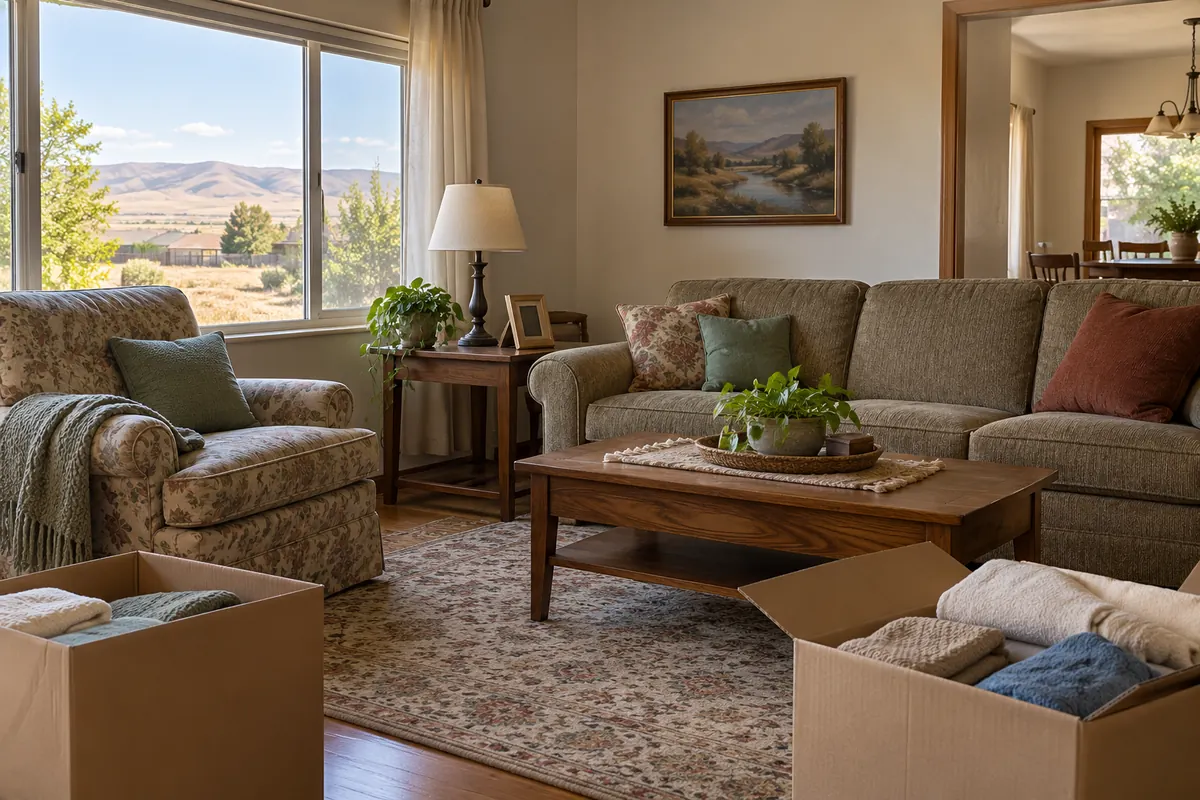
Unwanted belongings can stay when the buyer agrees to include them in the sale. You can keep family photographs and meaningful items without organizing an estate sale or clearing every cabinet. Describe furniture, stored boxes and other contents you want the buyer to take with the house.
Make that arrangement part of the written agreement so everyone knows which items are included. You do not need to stage rooms or arrange public showings. If unfinished projects are the main concern, our guide to selling without repairs explains how an as-is purchase handles the property's condition.
Set closing around the estate's next steps
You choose a closing date with the buyer once the title work is done. Tell the buyer about belongings still being collected and any estate questions your attorney is addressing. Those details help you agree on possession and the key handover without treating the house as another renovation project.
Read the proposed agreement with your attorney before deciding whether to accept. Our outline of the direct sale process shows how the property discussion leads to an offer and closing. We keep the conversation focused on the house and the tasks you want to avoid, while your attorney handles probate questions.
Sources: app.leg.wa.gov
Steps for an inherited house sale
- 1
Share the property details
Call or send the short form so our local buyer can discuss the inherited house, its condition and access arrangements with you.
- 2
Check the estate's authority
Ask your probate attorney who can sign and what the estate requires before the person handling the sale commits to an agreement.
- 3
Review the proposed terms
Consider the buyer's no-obligation cash offer, discuss family keepsakes and record which belongings would remain with the property in writing.
- 4
Arrange the estate closing
Choose a closing date with the buyer after title work is done, with your attorney addressing estate questions and the closing professional handling documents.
Frequently asked questions
Can I sell an inherited house before probate is finished?
Ask your probate attorney whether the estate has authority to sell at its current stage. Your attorney can check the will, the representative's powers and any court requirements. We can start a conversation about the house while those questions are addressed, and our local buyer can explain the proposed purchase terms.
Do we need to empty the inherited house before selling?
You can discuss leaving unwanted contents with the buyer instead of clearing the entire house. Set aside the items your family wants, then describe what would remain. Have the buyer record the agreed contents in the purchase agreement so relatives and the person handling the estate understand the same plan.
What if my siblings and I have different plans for the house?
Bring the proposed sale terms to the person handling the estate and discuss the disagreements with your attorney. We can explain how a direct purchase would work, including repairs and belongings. Decisions about the family's rights and the authority to sell belong with the estate's attorney, rather than the buyer.
Can I start the conversation if I live outside Kennewick?
Yes, you can call or use the short form from wherever you live. Our local buyer will discuss the house and how access could be arranged. Ask the escrow officer what signing arrangements are available for your location, and keep your probate attorney involved in questions about estate documents.
Talk about the inherited house you need to sell
Call or send the short form to tell us about the inherited house. Our local buyer can discuss its condition and make a no-obligation cash offer for your family to consider.